




Stress Reduction Made Simple: 8 Proven Techniques for Calm
Introduction
In a world where the hustle and bustle never stops where notifications come in at midnight, deadlines loom like storm clouds, and the pace of life feels like a sprint rather than a walk it’s no surprise that stress has become a silent epidemic.We carry it like an invisible burden, tension in our shoulders, worries in our minds and weariness in our bones.But here’s the truth: Stress is not your default setting.
Your health doesn’t just depend on what you eat or how often you exercise.It’s deeply connected to your mental landscape those quiet moments when your breath slows, when your thoughts get dirty, when you finally feel safe in your own skin.And this is where true goodness begins.Not in perfection, but in peace.Not in discord, but in harmony.
This article is not about a massive change or extreme detox.It’s about simplicity.It’s about eight proven, science-backed techniques that don’t require hours of time, expensive apps, or seclusion in a Himalayan monastery.These are real strategies for real life small changes that create effects on your nervous system, mood and ultimately your health.Let’s start not with fixing, but with feeling.
Table of Contents
1. Breathe Like You Mean It: The Power of Intentional Breathing
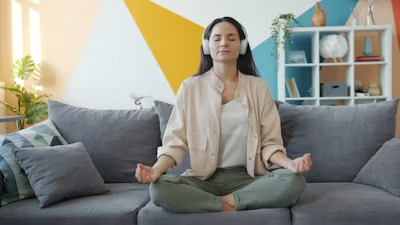
You have been breathing since you were born automatically, effortlessly.But when was the last time you actually breathed?Most of us live with shallow, chest-dominated breathing rapid inhalations that barely fill our lungs, followed by rapid exhalations that leave us feeling even more tired.This type of breathing indicates danger to your brain. It tells your body: We are in danger. Be alert. Stay stressed.But change one thing your breathing and you can change the whole situation.
Conscious breathing is the fastest and most accessible tool for calming the nervous system. When you slow your breathing, especially by making your breath longer than your inhalation, you activate the vagus nerve, which is the parasympathetic system’s main pathway the “rest and digest” mode. This is not tempting welfare. This is biology.Try this simple technique: Box Breathing.
Breathe in via your nose for four seconds.Hold for four seconds.Exhale slowly via your mouth for 6 seconds.Wait for 2 seconds.Repeat for 3-five minutes.
Do this earlier than a meeting, after a controversy, or at the same time as you are waiting for the coffee to be made. You do not need a yoga mat or silence. Just ninety seconds of conscious breathing can reduce cortisol, decrease your coronary heart charge and convey your lower back for your frame.
And right here’s the stunning part: Every time you breathe with aim, you do not just lessen pressure you regain corporation. You remind yourself: I am in control of my response. That small motion builds resilience, one breath at a time.
Over the course of several weeks, this practice no longer leads to calming moments, however it also adjusts your baseline. You come to be less reactive, extra grounded. Your fitness will become much less fragile, greater fluid.
2. Move Your Body Even If You Don’t “Work Out”
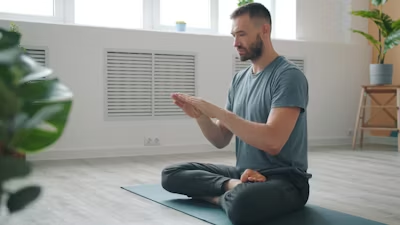
Let’s be honest: the word “exercise” can sound overwhelming. It comes with expectations – spandex, sweat, sore muscles, guilt if you miss a day. But the movement should not be punished. This can be fun.
Physical activity is one of the most effective natural antidepressants and anti-anxiety tools we have.Why? Because movement literally shakes out stress hormones. It increases endorphins, improves blood flow to the brain and helps regulate sleep, all important pillars of health.But you don’t need a 5-mile run or a HIIT class to reap the benefits.
start small.Go to the end of your street and come back.Dance in the kitchen while you cook dinner. Stretch while watching TV.Do shoulder rolls and neck circles for three minutes between Zoom calls.The most important thing is consistency, not intensity.A Harvard study found that walking just 20 minutes a day reduced anxiety symptoms by almost 50%.Not because walking is magic, but because it breaks thinking. When you walk, you shift your attention from your mind to your body.You re-enter the present.
And the movement doesn’t have to be structured.Getting moving, walking fast, gardening it all matters. They are micro releases for built-up voltage.Think of your body as a river.When it flows, the energy moves. When it becomes stable, tensions build up. Movement keeps the current alive.So redefine what “is important”. Let go of perfection. The five-minute stretch isn’t failure, it’s loyalty to your health.
3. Rewire Your Thoughts: Cognitive Reframing for Inner Peace
Stress is not caused by events. It depends on how you interpret them.Two people can meet the same deadline. The person feels energetic. The other feels crushed.Why?His inner story.Cognitive reframing is a psychological technique that helps you change your perspective from “I can’t handle this” to “This is hard, but I’ve dealt with harder things before.”This is not about toxic positivity.It’s all about accuracy.
Ask yourself:Is this idea beneficial?Is that genuine?Is that kind?When you seize yourself questioning I’m going to fail, forestall.Then ask: What evidence do I even have for this?What proof disproves this?Maybe you’re frightened.Maybe you are tired.But does this suggest failure is inevitable?Probably now not.Try writing down worrying thoughts and then rewriting them with compassion:
“I’m lagging in the back of.” → “Today I will do my best with what I have.”
“Everyone expects an excessive amount of.” → “I can set limitations and ask for help.”
“I will never get this right.” → “Failure is part of learning. Progress means more than perfection.”
This is not a denial. This is self-respect.
Over time, your brain defaults to calm narratives. You stop making mischief. You start solving problems.And that change protects your health in profound ways.Chronic negative thinking is linked to inflammation, weakened immunity and a higher risk of depression.But when you exercise again, you not only feel better, but you also become healthier.
4. Create Micro-Moments of Mindfulness
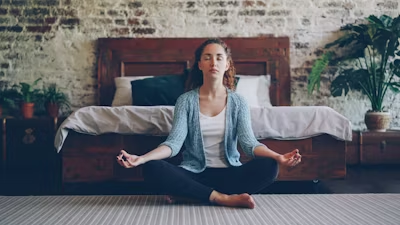
Mindfulness gets a terrible rap now and again adore it requires sitting go-legged for an hour, emptying your thoughts, attaining enlightenment.But mindfulness is virtually paying attention, on reason, without judgment.And it could occur anywhere.
While brushing your teeth, be aware of the taste of toothpaste, the rhythm of your hand, the sound of water.While eating tea, experience the warm temperature of the cup, smell the steam, enjoy each sip. While on foot, enjoy your feet touching the floor, one step at a time.These micro-moments anchor you in the now.They interrupt the autopilot mode in which strain thrives.
Research suggests that simply 10 minutes of every day mindfulness can lessen anxiety, improve attention, and boom emotional regulation.It additionally complements grey matter in mind regions tied to self-consciousness and compassion.
You don’t need an app or a meditation cushion. Just interest.
Try this: select one routine pastime every day making your mattress, washing dishes, commuting and do it with full interest. No telephone. No multitasking. Just presence.
When your thoughts wander (and it will), gently deliver it again. No scolding. No frustration. Just go back.
Each time you do this, you support your mental muscle. You educate your brain to disengage from worry and reconnect with life as it’s occurring.And that is in which peace lives now not within destiny, now not in the past, but within the quiet miracle of now.This isn’t luxurious. It’s essential for fitness to take care of your mind.
5. Set Boundaries That Honor Your Energy
One of the biggest sources of stress?Say yes when you don’t mean anything. We say yes to extra projects, social events, family demands, often out of guilt, fear or a desire to please. But every unconfirmed “yes” drains your energy, your time, your confidence. Healthy boundaries are not walls. They are doors that allow you to choose what enters your life and what remains outside.Start small.Practice saying:
“I’d like to help, but I do not have the bandwidth right now.”
“Let me take a look at your time table and contact you.”
“I want some quiet time tonight. Can we meet the following day?”
Boundaries aren’t egocentric, they are self-defensive.And these are critical for lengthy-term fitness. Constant over-dedication leads to burnout, insomnia, digestive issues and emotional exhaustion.But whilst you guard your energy, you create space for recuperation, creativity and happiness.Remember: you can’t pour from an empty cup.Setting boundaries is not rejection it’s recognize.For others, and for yourself.
Start by identifying an area where you feel tired. Are there work posts after 7pm?Weekend plans leaving you exhausted?Unsupported call?Then decide what you want.Maybe it’s a digital curfew.Maybe it’s declining invitations without explanation.Maybe it’s asking for help.write it down.Say it out loud. Practice until it feels natural.Every limit you set is a vote for your health.
6. Design a sleep reserve for deep recovery
Sleep isn’t downtime. It’s repair time.During sleep, your mind gets rid of pollution, consolidates memories, and resets emotional circuits.Your frame upkeep tissues, balances hormones and strengthens immunity. Without pleasant rest, your fitness suffers cognitively, emotionally, and physically.
Nevertheless, stress and poor sleep create a vicious circle: Stress destroys sleep, and lack of sleep increases stress.Solution? Create a snooze free bedroom environment designed for deep, uninterrupted relaxation.Start from your place:
Keep it cool (65-68°F).
Make it dark (black curtains or eye mask).
Reduce noise (white noise device or earplugs).
Remove electronics (or use blue light filters).Then create a remaining ritual:
Dim the lighting an hour earlier than bedtime.
Drink herbal tea (chamomile, ardour flower).
Diary for 5 mins – throw your worries on paper.
Read fiction (no longer job postings).
Try mild stretching or breathing exercises.
Avoid screens for as a minimum 30-60 mins before bedtime.Blue light suppresses melatonin, the hormone that indicators sleep.And be steady.Go to mattress and wake up at approximately the equal time every day even on weekends. It regulates your circadian rhythm, making it easier to fall and stay asleep.
If you are fighting with a racing mind, do this: Imagine your thoughts as a snowball.The ice moves whilst you lie down. But when you breathe slowly, the debris starts to settle. In the end, the whole thing will be an exercise session.Sleep isn’t something you earn.It is something you prioritize.And while you bear in mind it is sacred, your entire health adjustments.
7. Connect With Others, Authentically
Humans are wired for connection. Loneliness is not only painful, but also dangerous.Chronic isolation increases the risk of heart disease, depression and early mortality as much as smoking 15 cigarettes a day.
But relationships are not about quantity. It’s about quality.One meaningful conversation can do more for your health than ten superficial conversations.Reach out to a friend, partner, sibling. Not to complain, but to share. To listen.To be seen.Say, “I’ve been feeling a little overwhelmed lately.Can I talk to you?”
Or: “I miss our conversations.Do you want to have coffee this week?”Vulnerability builds bridges. And these bridges provide support, laughter and familiarity powerful antidotes to stress.
If personal contact seems difficult, try voice notes, letters or join a small online community with shared interests.Volunteering also fosters connectedness while giving you a sense of purpose, another important component of mental well-being.
Remember: You don’t have to be “on” all the time.Real connection thrives in dirty, honest moments.The ones where you admit you’re not feeling well and someone says: “Me neither.But here we are.”It is healing, it is health.
8. Embrace Imperfect Progress
Here’s the secret no one tells you: You don’t have to eliminate stress to be healthy.Stress is part of being human. This is not the enemy.The enemy is chronic, unmanaged stress when it becomes your background music, your constant companion.The goal is not perfection. This is consciousness. It is choosing to return again and again to what nourishes you.
Some days you will forget to breathe. Some days you will throw yourself at someone you love. Some days you will eat junk food and stay up late.And that’s okay.What matters is not the stumble, but the improvement. The desire to start over.Celebrate small victories. When you felt overwhelmed, did you take three deep breaths? win. Did you say no to anything with drainage? win. Did you message a friend instead of being alone? win.
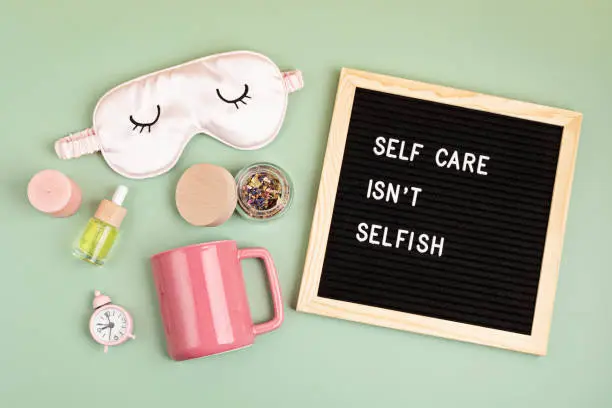
Progress is not linear. This is a spiral. You circle back deeper each time.And every little choice pays off like drops filling a bucket. Over time, your capacity for peace increases. Your flexibility becomes stronger. Your health becomes less fragile, more vibrant.You don’t have to do all eight techniques perfectly. Choose one. Master it. Then add another one.Because self-care is not selfish. It is durable.
Final Thought: Your Health Is a Living Practice
True health isn’t a destination.It’s a daily dialogue with your body, your mind, your emotions.It’s saying, “I see you.I hear you. I’m here.”Stress reduction isn’t about escaping life.It’s about showing up for it with clarity, courage, and kindness.So start where you are.Use what you have.Do what you can.Breathe.Move. Reframe.Notice.Protect.Rest.Connect.Forgive.These aren’t quick fixes.They’re lifelong companions.
And together, they form a quiet revolution one that begins not with force, but with gentleness.Because peace isn’t found in the absence of noise.It’s found in the courage to be still, even when the world won’t stop spinning.And that, perhaps, is the greatest act of health you can offer yourself.
Q: How quickly can these techniques reduce stress?
A: Many like box breathing or the 5-4-3-2-1 method work within minutes. Others, like journaling or walking, build resilience over days and weeks with consistent practice.
Q: Can I use more than one technique at once?
A: Absolutely. Combining methods like a short walk with mindful breathing often enhances their effect. Choose what feels natural and sustainable for you.
Q: Do these work for chronic stress or anxiety?
A: Yes, these techniques support long-term mental health. However, if stress or anxiety significantly impacts your life, consider pairing them with professional support from a therapist or healthcare provider.