




Immune System Support: 7 Proven Tips to Stay Healthy All Year
Introduction
In the calm rhythm of everyday life, it is easy to take your body for granted, between morning coffee, work assignments, family dinners.Until we feel better. A sniff becomes a cough. A headache persists. Suddenly the unstoppable pace slows down.We cancel plans. Productivity falls.The simple joy of feeling alive diminishes.This is when health is not just a word; It is a more valuable currency than money, more important than time.
And at the center of that life force is one of the human body’s most remarkable systems: the immune system.It works silently, tirelessly protecting against viruses, bacteria and even rogue cells often without us realizing it. But what if you could strengthen this invisible shield?Not with miracle cures or fleeting trends, but with science-backed, sustainable habits that support your body all year round?
This article is not about spreading fear or chasing perfection.It’s about progress.It’s about small, meaningful choices that turn into lasting resilience. Whether you’re going through flu season, recovering from burnout, or just striving to feel your best every day, these seven proven tips are designed to boost your immune system naturally, realistically, and permanently.Welcome to a deeper understanding of health, not as a destination, but as a practice.
Table of Contents
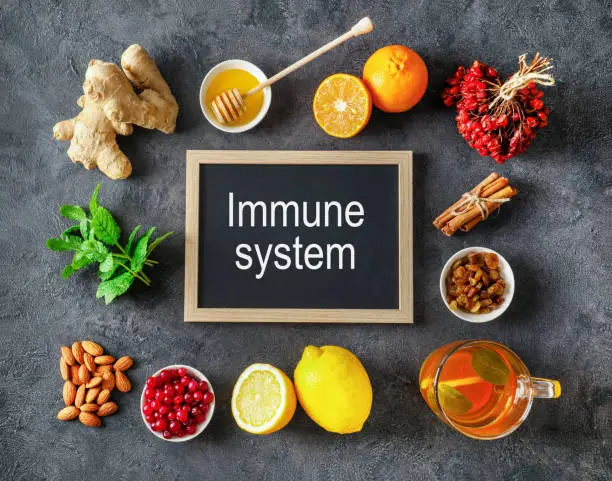
1. Nourish Your Body with Immune-Boosting Foods
Let’s start where all energy begins: food.You’ve likely heard the phrase, “You are what you eat.”When it comes to immunity, this couldn’t be truer.Every bite either fuels your defenses or undermines them.
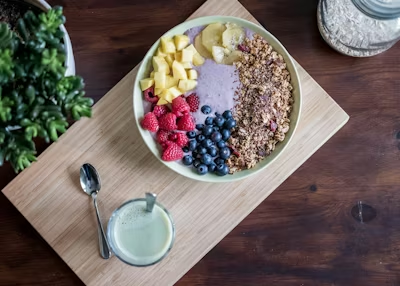
A diet rich in whole, unprocessed foods provides the building blocks your immune cells need to function optimally.Think colorful fruits and vegetables especially those high in vitamin C (like oranges, bell peppers, and strawberries), vitamin A (carrots, sweet potatoes, spinach), and antioxidants (blueberries, kale, broccoli).These nutrients neutralize free radicals, reduce inflammation, and help produce white blood cells the foot soldiers of your immune response.
But let’s go beyond the basics.One of the most powerful yet underrated allies in immune support is gut health.Did you know that up to 70% of your immune system resides in your gut?That means what you feed your microbiome directly influences how well you fight off illness.
Include fermented foods like yogurt, kefir, sauerkraut, kimchi, and kombucha.These contain live probiotics beneficial bacteria that crowd out harmful microbes and strengthen the gut lining.Pair them with prebiotic-rich foods like garlic, onions, bananas, and oats, which act as fertilizer for good bacteria.
Also consider zinc-rich foods such as pumpkin seeds, lentils, and chickpeas.Zinc plays a critical role in immune cell development and communication.Studies show that even mild deficiencies can impair immune responses and increase susceptibility to infections.
And while supplements have their place, real health shines through consistent dietary patterns not quick fixes.Aim for variety, color, and balance.Make your plate look like a rainbow.Because when you nourish your body with nature’s pharmacy, you’re not just eating you’re healing.

2. Prioritize Sleep Like Your Life Depends on It (Because It Does)
Imagine a world where one habit could reduce your risk of infection, improve mental clarity, regulate mood, and even help manage weight.That world exists and it starts with sleep.Yet millions sacrifice rest for productivity, entertainment, or stress-induced insomnia.We wear sleep deprivation like a badge of honor.But here’s the truth: skimping on sleep weakens your immune system within days.
During deep sleep, your body releases cytokines proteins that target infection and inflammation.Some of these cytokines actually increase during sleep, especially when you’re fighting illness.Skimp on shut-eye, and you suppress their production.Worse, lack of sleep lowers protective antibodies and T-cells, leaving you vulnerable.
Research shows that people who sleep less than six hours per night are nearly four times more likely to catch a cold than those who get seven or more.And it’s not just duration, sleep quality matters too.Fragmented, restless nights disrupt immune signaling and hormonal balance.
So how do you reclaim restful sleep?Start with consistency.Go to bed and wake up at the same time every day even on weekends.Create a wind-down ritual: dim the lights, avoid screens an hour before bed, try gentle stretching or reading.Keep your bedroom cool, dark, and quiet.
Consider magnesium-rich foods (like almonds, spinach, and avocado) or herbal teas like chamomile or passionflower, known for calming effects.If anxiety keeps you awake, journaling before bed can help clear mental clutter.Remember, sleep isn’t laziness.It’s maintenance.It’s repaired.It’s one of the most profound acts of self-care you can practice for long-term health.Treat it with reverence and watch your resilience soar.
3. Move Your Body Regularly, Even in Small Doses
We’ve all seen the headlines: “Exercise Boosts Immunity!”But what does that actually mean?Is running marathons the key?Do you need to spend hours in the gym?The answer is simpler and kinder than you think.
Moderate physical activity enhances circulation, allowing immune cells to patrol the body more efficiently.It reduces chronic inflammation, regulates stress hormones, and improves overall metabolic health all factors that influence how well you resist illness.
You don’t need extreme workouts.Just 30 minutes of brisk walking, cycling, dancing, or gardening five times a week can make a measurable difference.Even shorter bursts like three 10-minute walks add up.Studies show that regular exercisers experience fewer upper respiratory infections and recover faster when they do get sick. One reason?Movement stimulates the lymphatic system, which carries immune cells throughout the body and flushes out toxins.
But there’s a caveat: overtraining can backfire.Intense, prolonged exercise without adequate recovery may temporarily suppress immunity, increasing vulnerability to pathogens.So listen to your body.Rest when needed.Balance effort with ease.The goal isn’t performance it’s presence.Find movement that brings joy.Walk with a friend.Stretch in the morning sun.Dance in the kitchen while dinner cooks.These moments aren’t just about fitness; they’re investments in lifelong health.And remember: progress over perfection.Miss a day?No guilt.Just begin again. Because consistency not intensity is what builds lasting immunity.

4. Manage Stress Before It Manages You
Stress is inevitable.Traffic jams.Work deadlines.Family tensions.But how you respond to stress determines whether it strengthens you or slowly erodes your defenses.
Chronic stress floods your body with cortisol, the so-called “stress hormone.”In short bursts, cortisol helps you react to danger.But when it stays elevated for weeks or months, it suppresses immune function, increases inflammation, and impairs wound healing.Ever noticed how you tend to get sick after a stressful period?That’s not coincidence.It’s biology.
The good news?You can retrain your nervous system.You can build resilience.And you don’t need hours of meditation or expensive retreats to start.Begin with breath.Deep, slow breathing activates the parasympathetic nervous system the “rest and digest” mode that counteracts stress.Try this: inhale for four counts, hold for four, exhale for six.Repeat for two minutes.Instant calm.
Practice mindfulness.Spend five minutes observing your thoughts without judgment.Use apps like Insight Timer or Calm, or simply sit quietly with a cup of tea.Research shows that even brief daily mindfulness practices reduce inflammatory markers linked to poor immune function.
Set boundaries.Say no to obligations that drain you.Protect your time like the precious resource it is.Delegate tasks.Ask for help.True strength isn’t doing everything alone it’s knowing when to pause.
Also, nurture connection.Loneliness is a silent stressor, associated with weakened immunity and higher mortality. Reach out to loved ones.Share your struggles.Laugh together.Human touch hugs, hand-holding triggers oxytocin release, which calms the nervous system.When you prioritize emotional well-being, you’re not being indulgent.You’re protecting your health at the deepest level.Because peace of mind isn’t optional it’s foundational.
5. Stay Hydrated: The Forgotten Pillar of Immune Health
Water doesn’t get enough credit.It’s not flashy.No celebrity endorsements.No viral trends.But hydration is the unsung hero of immune function and one of the easiest wins for everyday health.
Why?Because water supports every biological process in your body including immunity.Lymph, the fluid that carries white blood cells and other immune agents, is mostly water.Dehydration slows lymph flow, weakening surveillance and response.
Mucous membranes in your nose, throat, and lungs also rely on moisture to trap and expel pathogens.When you’re dehydrated, these barriers become dry and less effective making it easier for viruses to invade.
How much should you drink?While “eight glasses a day” is a rough guide, individual needs vary based on climate, activity, and diet.A better indicator is urine color: aim for pale yellow.Dark yellow suggests dehydration.
Infuse your water with lemon, cucumber, mint, or berries for flavor and added antioxidants.Herbal teas count toward fluid intake too.Limit sugary drinks and excessive caffeine, which can dehydrate.And don’t wait until you’re thirsty.Thirst is a late sign of dehydration.Sip consistently throughout the day. Keep a reusable bottle nearby as a visual reminder.Think of hydration as internal housekeeping.Every glass flushes toxins, delivers nutrients, and keeps your cellular machinery humming.Simple?Yes.Powerful?Absolutely.
6. Embrace Sunlight and Vitamin D
This is why we instinctively flip our faces towards the solar. Light now not simplest brightens our temper, however it additionally boosts our immunity.Vitamin D, regularly known as the “sunshine diet”, is a critical regulator of the immune device. It complements the pathogen-combating outcomes of monocytes and macrophages (white blood cells), and decreases inflammation.
Still, deficiency is enormous specifically in wintry weather, amongst older adults, and in human beings living with restrained daylight. Low levels are related to an improved danger of breathing infections, autoimmune situations and slower recovery times.
Your skin produces vitamin D whilst uncovered to UVB rays. Just 10-and-a-half hours within the afternoon sun (without sunscreen) numerous times every week can be enough depending on pores and skin shade, vicinity and season. Darker pores and skin calls for an extended exposure time due to higher melanin content material.
However, in case you stay in northern latitudes or spend maximum of your time indoors, supplementation can be necessary. The National Institutes of Health recommends 600–800 IU in step with day for maximum adults, even though a few professionals suggest better doses beneath medical supervision.
Food resources include fatty fish (salmon, mackerel), egg yolks, fortified milk and mushrooms uncovered to daylight. Nevertheless, weight loss programs on my own are not often enough.Talk to your health practitioner about getting your nutrition D tiers checked. This is an easy blood check that may tell if you are becoming sufficient of this important nutrient.
Sunlight additionally will increase serotonin, improves sleep cycles and improves normal health. So get out. Deep breath. May the mild remind you that health isn’t always improved by way of tablets or powders, however by using the rhythms of nature.
7. Cultivate Daily Habits That Build Resilience
Immunity isn’t built in an afternoon. It’s fashioned by using the small selections we make time and again.Brush your enamel often?Good oral hygiene reduces harmful bacteria that could trigger systemic inflammation and weaken immune reaction.Wash your fingers? One of the handiest methods to save you contamination.Use soap and water for at least 20 seconds, especially after public areas or earlier than consuming.Limit alcohol?Excessive drinking impairs immune cells and damages the gut lining.Moderation is key.
Avoid smoking? Smoking cripples lung defenses and will increase susceptibility to infections. Quitting even later in existence brings rapid enhancements in immune features.
But past these fundamentals, cognizance on sustainability. Don’t overhaul your lifestyles overnight. Pick one habit, maybe including veggies to lunch, or walking 10 mins after dinner and master it. Then add any other.
Track your development gently. Celebrate attempts, no longer just outcomes. Did you pick out water over soda? Win. Did you go to the mattress 15 mins in advance? Victory.
And surround yourself with reminders of why fitness matters. Photos of loved ones. Quotes that inspire. A magazine tracking how you feel every week.Because true immune support isn’t approximately fear. It’s about empowerment. It’s about showing up for yourself now not flawlessly, but consistently.
Final Thoughts: Health Is a Practice, Not a Prize
We live in a culture obsessed with quick fixes.Detox teas. Miracle supplements. “Secret” cures.But the real magic lies in consistency in showing up for your body every single day.These seven tips aren’t revolutionary.They won’t make headlines.But practiced together, they form a powerful foundation for year-round wellness.
You don’t need to be flawless. You just need to care. To choose nourishment over convenience. Movement over stagnation. Rest over burnout. Connection over isolation.
Your immune system isn’t a fortress to be stormed, it’s a garden to be tended. Water it with sleep. Feed it with food. Warm it with sunlight. Calm it with breath.And when illness does come and it will meet it with compassion, not shame. Recovery is part of health, too.So start small. Be kind. Keep going.
Because staying healthy all year isn’t about avoiding every germ. It’s about building a body and mind so resilient, so balanced, that whatever life throws at you, you have the strength to rise.That’s not just immune support.That’s living with purpose. With power. With health in its fullest, most human form.
Q: Can supplements really boost my immune system?
A: Some like vitamin D, vitamin C, and zinc can support immunity, especially if you’re deficient. However, they work best alongside a healthy diet and lifestyle, not as a replacement.
Q: Does lack of sleep affect my immune health?
A: Yes. Even one night of poor sleep can reduce immune cell activity. Consistent, quality rest helps your body fight off infections more effectively.
Q: Are there specific foods that enhance immune function?
A: Yes. Citrus fruits, garlic, ginger, spinach, almonds, and yogurt with probiotics are all linked to stronger immune responses due to their nutrient density and antioxidant content.