






Digestive Health Fix: 5 Proven Ways to End Bloating for Good
Introduction
There’s a quiet epidemic taking place in kitchens, boardrooms, and living rooms across the world, one that doesn’t make headlines but impacts tens of millions daily. It’s not dramatic or life-threatening in the conventional sense, but it saps electricity, erodes self belief, and disrupts the rhythm of everyday life. We speak about bloating.
You know the sensation: that tight, swollen sensation to your stomach after a meal, as if your stomach has turned into a balloon ready to go with the flow away. You might tug at your waistband, avoid mirrors, or pass social occasions just to keep away from soreness or worse, embarrassment. And at the same time as bloating is frequently brushed off as “just part of digestion,” it’s no longer something you need to certainly take delivery of as everyday.
The reality? Chronic bloating is a signal a whisper from your body saying something’s off. And whilst we concentrate, we open the door to deeper recovery, lasting comfort, and real digestive health. This isn’t about quick fixes or today’s tea. This is set sustainable, technology-subsidized strategies that rework how your intestine works so that you can stay with lightness, power, and peace.Welcome for your last manual to finish bloating. Let’s dive into five proven approaches to reclaim your digestive fitness and your existence.
Table of Contents
1. Rebalance Your Gut: The Microbiome Revolution
Your intestine is domestic to trillions of microorganisms, fungi, viruses what scientists name the intestine microbiome. Think of it as an invisible town inner you, full of activity, wherein each inhabitant performs a function in your overall fitness. When this surroundings prospers, so do you. But whilst it is out of balance, bloating comes as an uninvited visitor.
Research suggests that an unbalanced intestine microbiome called dysbiosis is without delay connected to gas, bloating and irregular digestion.Harmful bacteria ferment undigested meals, generating excess gasoline that causes flatulence. Meanwhile, beneficial microbes like Lactobacillus and Bifidobacterium, which help destroy down meals and decrease inflammation, are pushed aside.So how do you restore stability?
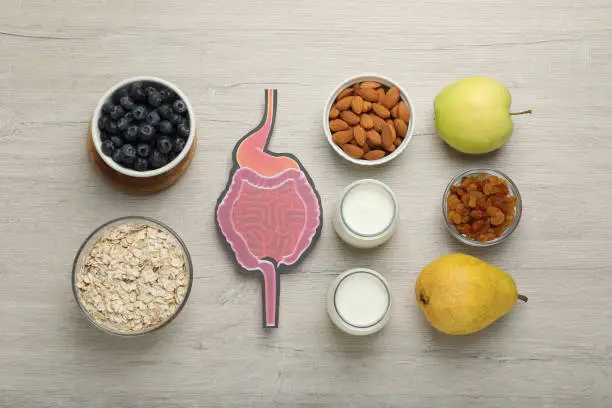
Start with fermented foods. Kimchi, sauerkraut, kefir, and undeniable yogurt aren’t just contemporary; they’re filled with live probiotics that repopulate your gut with desirable bacteria. A 2023 observation posted in Gut Microbes found that members who fed on servings of fermented ingredients daily noticed great discounts in bloating inside for 4 weeks.
But don’t forestall there.Prebiotics fibers that feed suitable bacteria are similarly vital.Foods like garlic, onions, leeks, asparagus, and bananas act as fertilizer to your microbiome.Think of it this manner: probiotics are the seeds; prebiotics are the soil. You want both for a thriving garden.
And sure, supplements can help particularly in case you’ve taken antibiotics these days or warfare with common digestive disorders. Look for a terrific probiotic with more than one trace and at least 10–50 billion CFUs (colony-forming units). Just consider: consistency subjects extra than potency. Taking a moderate-dose probiotic every day does extra than sporadic high-dose bursts.
This isn’t pretty much digestion.A balanced intestine supports immune function, mood regulation, skin readability, and lengthy-term metabolic fitness. Healing your microbiome isn’t a side undertaking, it’s fundamental to your whole well-being.
2. Master the Art of Mindful Eating: Slow Down to Speed Up Digestion
Here’s an intensive idea: the fastest manner to alleviate bloating is probably to slow down.In our rapid-paced global, meals are regularly eaten over laptops, among meetings, or on the go. We chew less, swallow more air, and crush our digestive gadget before it’s equipped. The result? Poor breakdown of food, extended fermentation, and also you guessed it bloating.Digestion doesn’t start within the stomach. It starts off evolving in the brain.
When you spot, scent, or maybe reflect on consideration on food, your frame releases digestive enzymes and belly acid in education. This is known as the cephalic phase of digestion. But in case you’re distracted scrolling, multitasking, or harassed this signal receives muted. Your stomach doesn’t get the memo, and food sits longer, fermenting and creating fuel.Mindful ingesting flips this script.
It is a method of sitting down without distractions, chewing each chew thoroughly (intention for 20–30 chews), and savoring flavors. It approaches pausing between bites, placing your fork down, and tuning into starvation and fullness cues. Sounds easy, right? Yet most folks haven’t practiced it in view of youth.
A 2022 medical observation found that members who ate slowly and intentionally experienced 40% less inflammation in comparison to their traditional conduct.Why?Because chewing breaks meals into smaller particles, making it easier for stomach acids and enzymes to do their activity. Less undigested food = much less fuel for gasoline-generating bacteria.
Try this: Set a timer for 20 mins throughout your subsequent meal. It takes seeing you later in your brain to sign in perfection. Use the time to respire, experience and connect with your meals. You will probably eat less, digest better and experience lighter afterwards.
Eating mindfully also reduces strain, that is a major motive of inflammation. When you’re calm, your body shifts from “fight-or-flight” mode to “rest and digest” mode, taking into consideration the ultimate gastrointestinal feature. So in a manner, slowing down isn’t always simply correct for your gut, it is an act of self-respect.
3. Identify Hidden Food Triggers: Your Personal Bloat Map
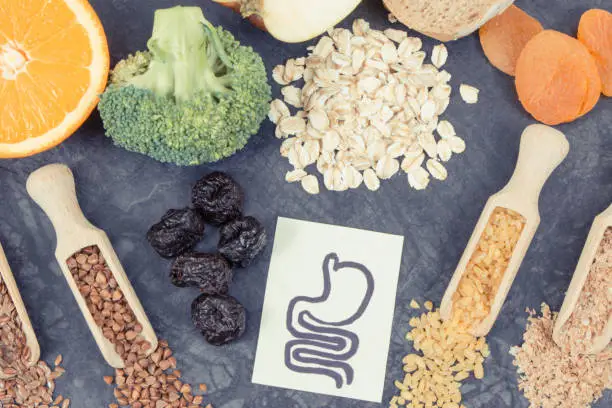
Not all ingredients have an effect on all people equally. While broccoli is a dietary powerhouse for some humans, it could be a bloated bomb for others. The key isn’t to comply with frequent “keep away from” lists – however to discover your precise triggers.Common culprits include:
FODMAPs: Fermentable carbohydrates located in onions, garlic, apples, beans and wheat.
Dairy: Especially for human beings with lactose intolerance.
Gluten: Problematic for human beings with celiac disease or non-celiac gluten sensitivity.Artificial sweeteners: Sorbitol, xylitol, and mannitol (frequently found in sugar-free gum) are infamous for inflicting fuel.
Carbonated beverages: Even glowing water brings excess gas into your system.But right here’s the hassle: eradication alone is not enough.You want a dependent technique to pick out what is virtually bothering you – without reducing out nutritious foods unnecessarily.Enter the low-FODMAP elimination food plan developed via researchers at Monash University.It is taken into consideration the gold standard for the treatment of irritable bowel syndrome (IBS) and chronic infection.Here’s how it works:
Elimination phase (2-6 weeks): Eliminate high FODMAP meals completely.
Reintroduction Phase: Slowly add one food organization at a time whilst monitoring signs.
Adaptation Phase: Create an extended-time period weight loss plan primarily based on your tolerance.
For instance, you can discover that garlic and onions motivate bloating, but apples do not not.Or that you may cope with a small amount of lenses, however not a big quantity.This level of precision transforms your relationship with meals from fear to empowerment.
Keep a symptom journal.Pay attention to what you eat, when you eat and how you feel 1-3 hours later. Over time, patterns emerge.Maybe this salad isn’t the problem it’s the honey mustard dressing with high fructose corn syrup.Or maybe it’s the kombucha you drink after dinner.Remember: food sensitivities aren’t failures.They’re data points.And each one brings you closer to personalized digestive health.
4. Move Your Body, Strategically: Exercise as Digestive Medicine
We all know workout is good for health. But did you understand it’s one of the most underrated equipment for beating bloating?Physical hobby stimulates peristalsis, the wave-like muscle contractions that flow food via your digestive tract. When movement slows (due to inactivity, strain, or sure medicines), food lingers, leading to fuel buildup and that dreaded “full” feeling.
Even mild motion is enabled. A post-meal stroll even simply 10 to fifteen minutes can accelerate gastric emptying by using as much as 30%, in step with a 2021 have a look at in Scandinavian Journal of Gastroenterology. No gymnasium required. Just step out of doors, breathe deeply, and let gravity do its work.But no longer all workout is equal in terms of bloating.
Intense workout, especially on a full belly, can now and again worsen signs and symptoms.High-depth c language schooling (HIIT) or heavy lifting can increase the stress within the stomach, inflicting the contents to move upwards and cause reflux or discomfort. Therefore, time is vital.Instead, don’t forget those intestine-friendly movement techniques:
Morning yoga or stretching: Activates the vagus nerve, which controls digestion.Jogging after meals: low effect and extraordinarily powerful.
Core engagement physical activities: Such as pelvic tilts or diaphragmatic respiratory, which enhance abdominal muscle coordination.
Twisting poses: Like seated spinal twist or mendacity twist, which lightly massages the inner organs.
An especially powerful workout is self-rubbing down the stomach. Lie on your return, area your arms at the lower right a part of your stomach and gently rub down clockwise, following the route of the massive intestine. Use 3-five minutes each day. Many patients report instantaneous remedy from trapped gas and constipation-associated bloating.
And permit now not to forget hydration. Movement increases move and lymph go with the flow, supporting the frame flush out extra sodium and fluids that make contributions to water retention and swelling. Combine on foot with sufficient water consumption, and you’ll have an evidently defusing duo. Exercise isn’t just about burning energy. It’s approximately preserving your inner systems flowing smoothly, like oil in a machine. When your frame moves, your gut follows fit.
5. Optimize Daily Rhythms: Sleep, Stress, and the Bloating Connection
Here’s a rarely talked about truth: Your sleep and stress levels have just as much of an impact on inflammation as what you eat.Chronic stress activates the sympathetic nervous system, diverts blood flow away from digestion and suppresses enzyme production.Cortisol, the primary stress hormone, increases gut permeability (“leaky gut”) and alters gut motility leading to diarrhea or constipation, both of which contribute to inflammation.
Meanwhile, poor sleep disrupts the gut-brain axis.A night of poor sleep can alter the composition of gut bacteria, leading to an increase in pro-inflammatory species associated with inflammation.Over time, lack of sleep creates a vicious cycle: Inflammation makes you sick, and lack of sleep weakens digestion. So how do you break it?Start with sleep hygiene:
Go to bed and awaken on the equal time each day.Avoid displays 60-ninety mins before bedtime.Keep your bed room cool, dark and quiet.Limit caffeine consumption after Then construct resistance to pressure:
Practice deep breathing: Try breathing 4-7-eight instances (inhale for 4 seconds, hold for 7 seconds, exhale for eight seconds).Meditate for five-10 mins a day, even guided apps like Calm or Headspace can assist.
Schedule “fear time”: Set apart 10 minutes every day to cope with issues in order that they do not ruin your evening.
Also do not forget your daily routine.Do you consume dinner overdue?Do you consume continuously?Do you sit for hours without transferring?Small adjustments provide big effects: Stop consuming at least 2-three hours before bedtime.Leave 3-4 hours between food to offer your belly a rest.If you are working effectively, take short motion breaks every hour.
These are not extreme measures.They are gentle nods to rhythm and balance, two things that are often lacking in modern life, but which your digestive system desperately needs.When you prioritize recovery through quality sleep, less stress and intentional time off from work, you send a message to your body: You are safe.You can fix it.And that sense of security translates directly to smoother digestion, less bloating and fewer instances of bloating.
Putting It All Together: A New Vision of Digestive Health
Let’s be clear: Getting rid of bloating isn’t about perfection.It’s approximately progress. It’s approximately taking note of your frame, experimenting with compassion, and growing conduct that help lifelong digestive fitness. You don’t have to alternate your lifestyles overnight.Start with a strategy:Include kimchi in your breakfast.Take a 10-minute walk after lunch.Write down what you consume for three days.Try belly respiration 5 mins earlier than going to the mattress.
Little moments develop into change.And recollect: Bloating isn’t a personal flaw. This isn’t laziness. This isn’t always a reminder of bothering yourself. It’s a biological sign, an invitation to deepen your information of your body and deal with it with care.
True health is not measured by a flat stomach or a perfect diet.It is measured by how you feel energetic, grounded, confident and free.When digestion runs smoothly, everything else runs smoothly.So take a deep breath.Place your hand on your stomach.Feel the rise and fall.Imagine a life where that space feels light, comfortable and peaceful.Where the food is enjoyed without worries.Where you spend the day comfortably without any problems.
That life is possible. And it starts today with a conscious bite, a conscious breath, a step towards better digestive health. Because when you heal your gut, you don’t just eliminate inflammation. You regain your life force. You respect your body. You choose health not as a destination, but as a daily practice. Welcome to your inflammation-free future. You have earned it.
1. What causes bloating and how can I prevent it?
Bloating often stems from poor digestion, food sensitivities, or swallowing air. You can prevent it by eating mindfully, avoiding common trigger foods (like beans, carbonated drinks, or dairy if sensitive), and incorporating digestive-supportive habits like staying hydrated and managing stress.
2. Can gut-friendly foods really reduce bloating?
Yes foods rich in probiotics (like yogurt, kefir, and sauerkraut) and fiber (such as oats, bananas, and leafy greens) help balance your gut microbiome and regulate digestion, reducing gas and bloating over time.
3. How quickly will these tips improve my digestion?
Many people notice a difference within a few days of consistent changes especially slowing down while eating, reducing processed foods, and moving daily. For lasting relief, focus on long-term habits, not quick fixes.