





Arthritis Pain Relief: 7 Powerful Daily Practices That Help
Introduction
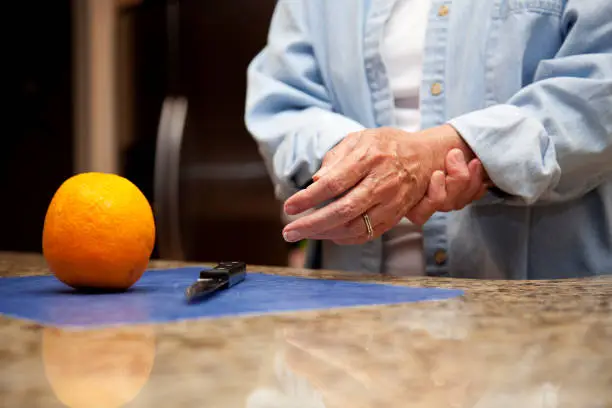
There is a quiet kind of courage in the way people with arthritis go about their days.The nervousness when getting out of bed, the hesitation before going up the stairs, the subtle grip of the worktop for balance is not always visible.Arthritis does not present itself with fanfare; It settles into the house like an uninvited guest, changes routines and tests endurance.But there is something deeper hidden in that struggle: the power to regain comfort, control and connection with life.
If you’re reading this, chances are you or someone you love knows this reality all too well.Maybe the morning starts with stiff fingers that feel stuck together, or the pain gets worse in the evening when you try to rest.The pain is not only physical, it also reaches emotions, relationships and self-esteem.But here’s the truth that few people talk about: Relief is possible, not because the condition goes away, but because your relationship with it can change.
This is not about miracle cures or overnight cures.It’s about health not as a distant ideal, but as a daily practice. Real health. human health. Type created moment by moment, choice by choice.And while arthritis can be long-lasting, suffering doesn’t have to be. Through seven powerful, science-backed daily practices, you can create space between pain and peace. These are not big moves, they are small changes with deep ripple effects. They respect the body’s needs without demanding perfection. Because true healing begins not with force, but with deep listening.Let us walk among them together.
Table of Contents
1. Move with Purpose: The Gentle Rebellion Against Stiffness
The intuition when joints harm? To forestall shifting. To guard. But satirically, stillness feeds the fire of arthritis. Joints thrive on movement. Synovial fluid the natural lubricant to your knees, hips, and fingers flows nicely when muscle tissues agree and limbs flow. Without motion, that fluid stagnates, cartilage weakens, and stiffness takes root.
But “motion” doesn’t suggest marathon training or excessive-effect workout routines.For arthritis, gentleness is energy.Think of it as whispering for your body instead of shouting at it. Low-impact activities like taking walks, swimming, tai chi, or cycling for just 20–half-hour an afternoon can dramatically reduce joint ache and improve flexibility.
A study posted in Arthritis Care and Research found that adults with osteoarthritis who walked for 45 minutes three times a week reported significant improvements in pain, function, and mood.Even better?Walking outdoors adds another layer of benefit sunlight boosts vitamin D (critical for bone and immune health), and nature lowers cortisol, the stress hormone linked to inflammation.
Start where you are.Five minutes around the block.Ten laps in the pool.A YouTube video guiding you through seated stretches.What matters most is consistency—not intensity.Over time, these micro-movements retrain your nervous system to associate motion with relief, not fear.And here’s the beautiful paradox: the more you move gently today, the more freedom you earn tomorrow.Movement becomes not a chore, but an act of self-respect a daily declaration that your body is worth caring for.
2. Nourish from Within: Food as Medicine for Joint Health
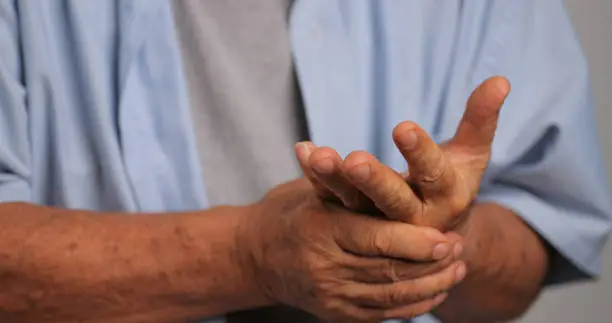
You’ve heard “you are what you consume,” but in terms of arthritis, the phrase hits in a different way. Every chew either fuels inflammation or fights it. Every meal is a danger to aid your frame’s innate intelligence or sabotage it.
Chronic inflammation is the engine behind many styles of arthritis, particularly rheumatoid arthritis and psoriatic arthritis. While remedy helps manipulate symptoms, meal choices impact the very terrain wherein infection grows or doesn’t.
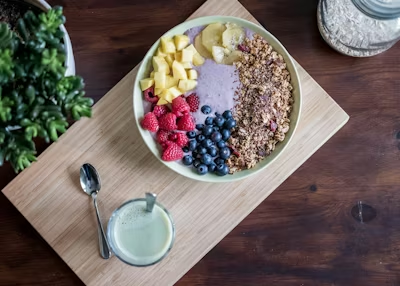
Enter the anti inflammatory weight loss plan: not a fad, but a lifelong method rooted in whole, colourful, plant-wealthy food.Think deeply pigmented berries bursting with antioxidants, leafy vegetables loaded with magnesium and folate, fatty fish rich in omega-3s (like salmon and mackerel), nuts like walnuts and almonds, olive oil drizzled over roasted veggies, and spices like turmeric and ginger nature’s ibuprofen.
Turmeric, especially its lively compound curcumin, has been studied considerably for its potential to reduce joint swelling and ache.One meta-evaluation confirmed that curcumin have become as powerful as NSAIDs in reducing arthritis signs and symptoms with fewer issue effects.Pair it with black pepper to boost absorption, and stir it into soups, stews, or golden milk lattes.
Meanwhile, processed food, delicate sugars, trans fats, and excessive beef act like gas on the inflammatory fireplace.These foods spike blood sugar, cause cytokine release, and disrupt intestine microbiota all contributing to systemic inflammation.
But this isn’t approximately deprivation.It’s about abundance.About filling your plate with flavors that heal.Imagine a lunch bowl: quinoa, kale, roasted sweet potatoes, chickpeas, avocado slices, pomegranate seeds, and a lemon-tahini dressing.This isn’t genuinely meals it’s remedy wrapped in coloration and flavor.
And don’t underestimate hydration.Water carries nutrients to joints, flushes toxins, and keeps connective tissues supple.Dehydration amplifies stiffness.Aim for half your body weight in ounces daily and add extra if you’re active or live in dry climates.When you eat this way, health stops being abstract.It becomes tangible in clearer skin, brighter eyes, lighter joints.You begin to feel like a participant in your own healing, not a passive patient.

3. Master Your Mind: The Hidden Power of Stress Reduction
Pain and stress are entangled like vines.One twists around the other, growing stronger together.When stress spikes, so does inflammation.Cortisol and adrenaline flood the system, tightening muscles, narrowing blood vessels, and sensitizing nerves.For someone with arthritis, this internal storm can turn a manageable ache into a full-blown flare-up.
Yet most of us treat stress as inevitable as background noise we learn to live with.But chronic stress isn’t normal.It’s toxic.And managing it isn’t optional for joint health; it’s essential.Mind-body practices offer a quiet revolution. Meditation, deep breathing, mindfulness, guided imagery these aren’t spiritual luxuries. They’re neurological tools that recalibrate your autonomic nervous system.Just ten minutes a day of focused breathing can lower heart rate, reduce inflammatory markers, and increase pain tolerance.
A landmark study from Harvard Medical School found that participants with rheumatoid arthritis who practiced mindfulness meditation for eight weeks experienced reduced disease activity and improved emotional well-being.Their bodies literally responded to inner calm.
Try this simple practice: Sit comfortably, close your eyes, and breathe in slowly through your nose for four counts.Hold for four.Exhale through your mouth for six.Repeat for five to ten minutes.When thoughts arise they will gently return to the breath.No judgment.No goal.
Over time, this builds what psychologists call “emotional resilience.”You start responding to pain with awareness instead of panic.You notice tension early and release it before it escalates.You reclaim agency.
Other powerful tools include journaling (writing down fears, hopes, and gratitude), progressive muscle relaxation, and even laughter therapy.Yes, laughter.It reduces cortisol, boosts endorphins, and loosens tight muscles. Watch a funny movie.Call a friend who makes you snort-laugh.Joy is medicine.Because health isn’t just physical.It’s emotional.It’s the ability to say, “This hurts, but I am still whole.”
4. Prioritize Restorative Sleep: Where Healing Begins
Sleep is not downtime. It’s repair time. While you rest, your frame rebuilds tissue, balances hormones, and calms the immune system. For everybody dealing with arthritis, sleep isn’t a luxury, it’s a non-negotiable fitness infrastructure.
Yet pain frequently steals sleep, and terrible sleep worsens ache.It’s a vicious cycle.Tossing and turning at night leads to fatigue throughout the day, which lowers ache thresholds, will increase sensitivity, and weakens coping talents.Breaking this loop starts offevolved with sleep hygiene.Create a sanctuary: cool, dark, quiet.Invest in a supportive bed and pillows that align your spine.Use blackout curtains, white noise machines, or earplugs if needed.
Establish a wind-down ritual an hour earlier than bed, dim the lighting fixtures, put away monitors, and engage in calming sports: reading, mild stretching, sipping natural tea (chamomile, passionflower, or valerian root).Blue mild from phones suppresses melatonin, so keep away from devices or use night time mode filters.
Consider temperature law. Many with arthritis find warmth soothing. A heated blanket on low putting or warm bath before bed can loosen up disturbing muscular tissues and ease joint soreness.If nighttime pain persists, talk along with your medical doctor about timing medicines. Sometimes adjusting whilst you are taking sure capsules can ensure top effectiveness all through vulnerable hours.
And bear in mind: relaxation isn’t the simplest , approximately middle of the night sleep. Incorporate quick daylight hours rests 10 to twenty minutes lying down with legs extended if fatigue builds. These micro-recoveries save you power crashes and shield joints from overuse.When you prioritize sleep, you deliver your body permission to heal. You ship a message: You rely. Your restoration subjects.
5. Build a Support System: Connection as Medicine
Isolation magnifies ache. Loneliness turns on the same neural pathways as bodily harm. Conversely, connection soothes. Being seen, heard, understood even without solutions supplied can lighten the emotional load of dwelling with arthritis.
Too regularly, humans suffer silently, burdening others. But vulnerability isn’t weakness. Sharing your revel in fosters intimacy and invitations guide. Tell a depended on friend the way you’re sincerely doing. Join a nearby or on line assist institution. Organizations like the Arthritis Foundation host groups in which participants change pointers, encouragement, and empathy.
Therapy can also be transformative.A professional counselor helps navigate grief, anxiety, or identity shifts tied to chronic illness.Cognitive Behavioral Therapy (CBT) has validated especially effective for persistent ache, coaching skills to reframe terrible concept styles and construct coping techniques.
And don’t forget about your own family dynamics. Educate loved ones about your situation no longer to advantage pity, but to foster information. Show them how they are able to assist: establishing jars, taking on chores, providing companionship without pressure.
Connection doesn’t erase pain, however it changes its texture. It reminds you that you’re now not damaged, you’re human. And human beings heal excellently in community.Because fitness includes belonging. It prospers in areas in which hearts meet as a good deal as cells regenerate.
6. Optimize Your Environment: Small Changes, Big Impact
Your surroundings form your enjoyment more than you recognize. A cluttered kitchen forces awkward reaches. A bloodless lavatory ground shocks sensitive ft. Poor lighting fixtures, lines, eyes and posture. These micro-stresses accumulate, wearing down both frame and spirit.So redesign your international for ease, safety, and dignity.
In the kitchen: store heavy objects at waist level.Use lightweight cookware with huge grips.Install pull-out cabinets.Openers with ergonomic handles make jar-starting less painful.In the rest room: upload clutch bars near the bathroom and shower.Use a bath chair if standing is taxing.Warm up towels and floors with radiant heating mats.At paintings: modify your chair height so elbows relaxation at 90 levels.Use a standing desk in rotation.Take micro-breaks every half-hour to stretch wrists and shoulders.
Even footwear subjects. Choose footwear with cushioned soles, extensive toe bins, and excellent arch aid. Avoid flip-flops or flat ballet pumps that provide no surprise absorption.
These tweaks don’t surrender they’re methods. They conserve strength for what topics. They replicate a deep recognition of your frame’s limits and strengths.And here’s the quiet magic: while your surroundings help you, fitness feels handy. Not compelled. Not fought for. Simply lived.
7. Cultivate Self-Compassion: The Heart of Sustainable Healing
Perhaps the most powerful exercise is not physical at all. It is internal. Living with arthritis means facing limitations. Some days plans change. Assignments are undone. The energy decreases. In a culture obsessed with productivity, this can lead to embarrassment. “I should be able to.” we say to ourselves.But “should” is the thief of peace.
Self-compassion flips the script.Instead of criticism, provide kindness.Instead of evaluating, you acknowledge the attempt.Dr. Kristin Neff, a frontrunner in self-compassion research, defines it as treating your self as you’ll a pricey friend who’s going via a tough time. Say to your self:
“I actually have quite a few problems nowadays.”
“This pain is real and I’m trying my best.”
“It’s k to relax.It’s okay to invite for assistance.”
These words are not weakness.They are knowledge. They reduce internal conflicts, reduce stress hormones and create psychological security for treatment.Practice it daily.Place your hand on your heart and breathe. Whisper words of care.Write a letter to yourself from the perspective of unconditional love.
As self-acceptance increases, resilience also increases.You stop measuring value by output and start respecting appearance. Progress towards perfection. More effort than results. And in that change, health becomes holistic.Not just the absence of pain, but the presence of peace.
Final Thoughts: Your Journey, Your Power
Arthritis may never fully leave.But neither will your capacity to adapt, grow, and thrive within its boundaries.These seven practices movement, nourishment, mindfulness, rest, connection, environment, and self-compassion are not quick fixes.They are pillars of a new normal.A life not defined by pain, but deepened by how you respond to it.
You don’t need to do them perfectly. Just consistently. Start with one. Then another.Let them weave into your days like threads in a tapestry each small, but together creating something strong and beautiful.
Because health isn’t a destination. It’s a rhythm. A daily yes to yourself. A commitment to show up, again and again, with courage, grace, and hope.And that, truly, is Oscar-worthy.
Q: What types of programs are recommended for managing arthritis?
A: Arthritis-Appropriate, Evidence-Based Interventions include physical activity programs and self-management education programs . The CDC recognizes over 20 such lifestyle management programs that can help reduce pain and improve movement.
Q: Can exercise really help with arthritis pain?
A: Yes, most healthcare professionals recommend exercise to manage arthritis pain as it supports joints, reduces stiffness, and improves function . Even low-impact exercises can be beneficial , and studies suggest just a few minutes of daily exercise can help ease pain.
Q: Are there simple ways to manage arthritis pain at home?
A: Yes, several home remedies can help. Using a heating pad for 20-minute intervals can relieve pain, while ice packs can reduce inflammation after activity . Other tips include using joint-friendly movements, trying ergonomic devices, and incorporating gentle stretching.